
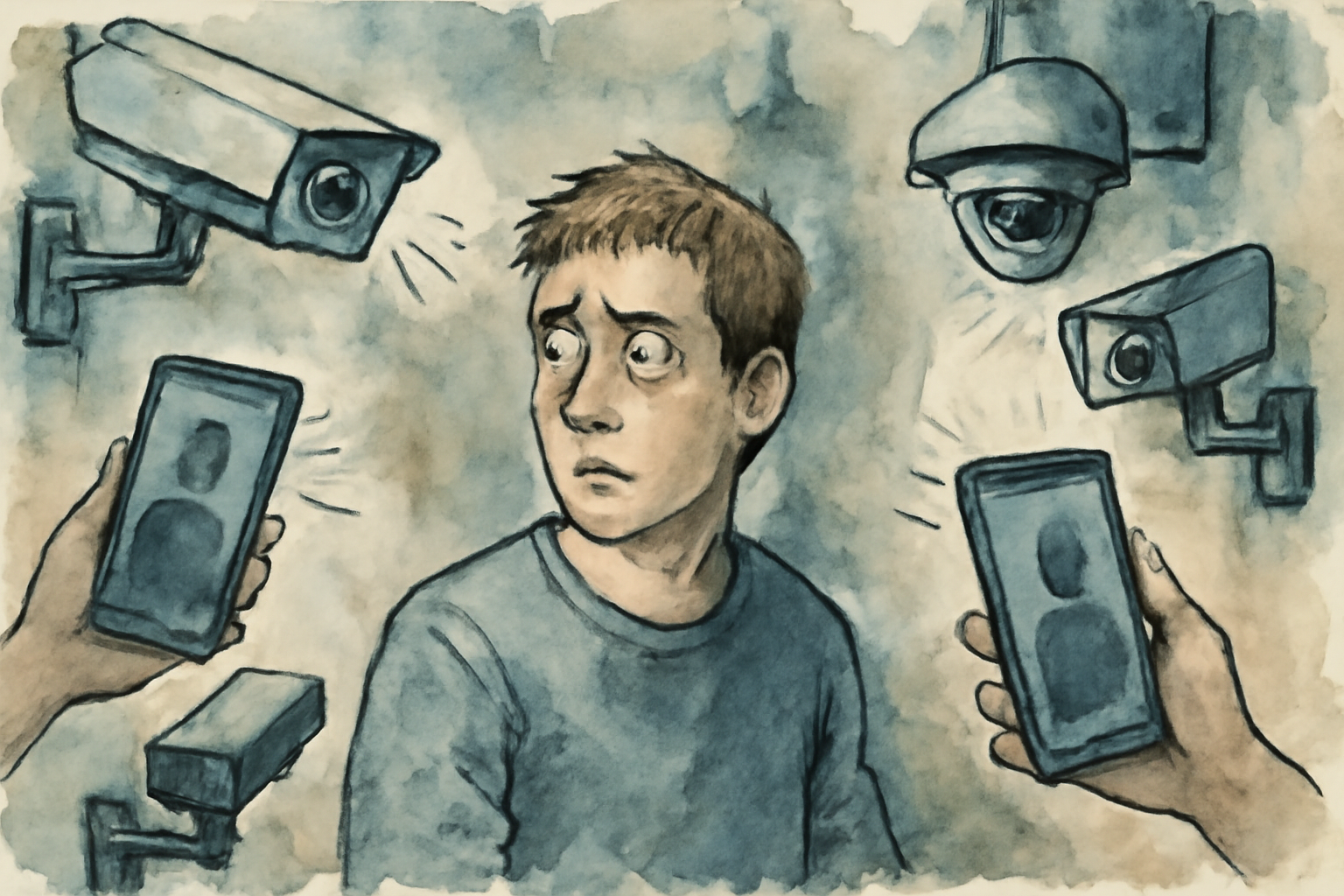
The work of care professionals often involves a complex dynamic of trust, responsibility, and accountability. In many care settings, families of those receiving care may resort to filming care workers in action, ostensibly to ensure quality of service but with implications that can affect the care dynamic. This practice, although well-intentioned by some parties, presents multiple challenges for care workers that are essential to address.
Privacy Concerns: The pervasive use of filming creates significant privacy issues, not only for the care workers but also for the patients involved, as it can lead to unconsented sharing of footage. This raises legal and ethical questions regarding privacy rights, especially in residential care settings where the expectation of privacy is reasonably high.
Trust and Morale: Constant surveillance can erode trust between care workers and the families they serve. It fosters an environment of suspicion rather than collaboration. This can lead to decreased morale among care workers, who may feel their professionalism and competency are under constant scrutiny.
Legal and Occupational Stress: The potential for litigation arises significantly when families are actively seeking to capture errors. This adds an additional layer of stress to an already demanding profession. Care workers, therefore, must navigate their routine duties with heightened awareness of legal implications, potentially influencing their capacity to provide care in the most genuine and effective manner.
Policy and Regulation: It is crucial for care institutions to establish clear policies regarding the filming of workers. Policies should include guidelines on consent, the use of recordings, and data protection. This would help manage expectations, protect both caregivers and patients, and ensure compliance with legal standards.
Professional Development: Continuous training on the legal rights and professional boundaries can empower care workers. Understanding the laws surrounding privacy and consent can enhance the confidence of caregivers in managing such situations effectively.
The challenge demands a balanced approach where the quality of care is ensured through constructive engagement with families rather than adversarial surveillance. Building trust through transparent communication and established protocols can mitigate the adversarial atmosphere that filming tends to create, ultimately fostering a supportive environment for both care workers and recipients.