
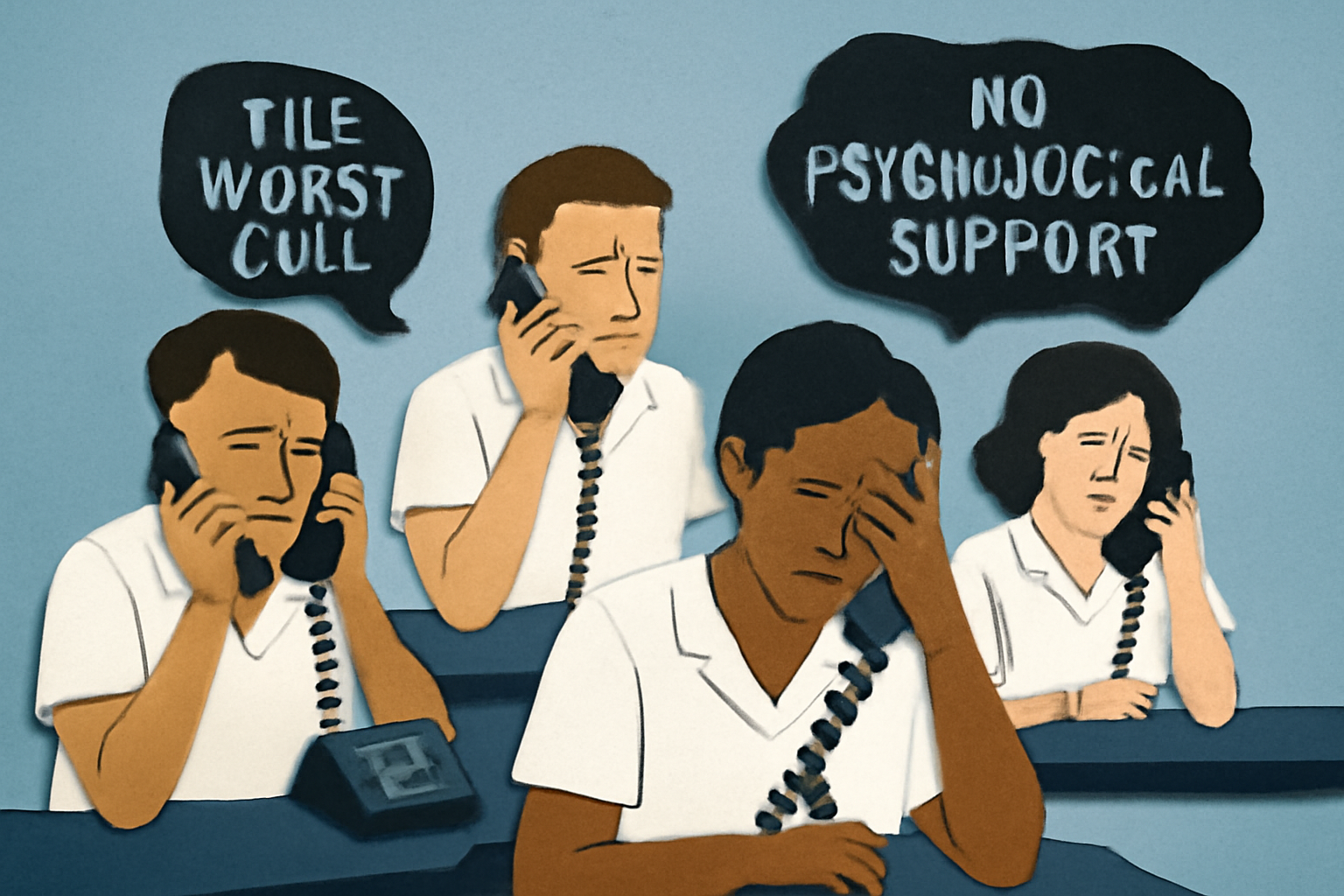
Care workers often encounter the challenging task of delivering death notifications, a responsibility that extends far beyond the physical demands of the job. This duty involves a complex blend of professional skills and emotional intelligence, requiring immediate adaptation to emotionally charged situations. The intricacies of this task demand a level of emotional labor that, unlike many other aspects of care work, is seldom addressed in training programs.
Professionals in the care industry are frequently left to navigate the nuances of this process on their own, lacking formal guidance on how to manage their emotions and the reactions of those receiving the news. This can lead to significant emotional distress for the care worker, who must maintain composure, empathy, and professionalism while delivering profoundly life-altering information.
The primary challenge lies in the balancing act between empathy and detachment, a skill crucial for delivering such news effectively. Empathy ensures the message is delivered with the sensitivity and compassion necessary to support grieving recipients. However, excessive emotional involvement can impair the care worker's ability to convey the message clearly and may lead to personal emotional burnout.
Developing best practices for managing these situations can significantly reduce the emotional toll on care workers. Emphasis on active listening, clear communication, and emotional support strategies can alleviate the stress associated with such encounters. Additionally, creating support systems within care institutions, such as debriefing sessions or peer support groups, can provide care workers with opportunities to process their experiences and emotions in a supportive environment.
Despite the challenges, effective training in the psychological and emotional aspects of delivering death notifications is crucial. By equipping care workers with the tools to handle these situations, the quality of care provided to both the workers and those receiving the news can be significantly enhanced. Recognizing and addressing the emotional labor inherent in this aspect of care work is essential to fostering a supportive and sustainable care environment.