
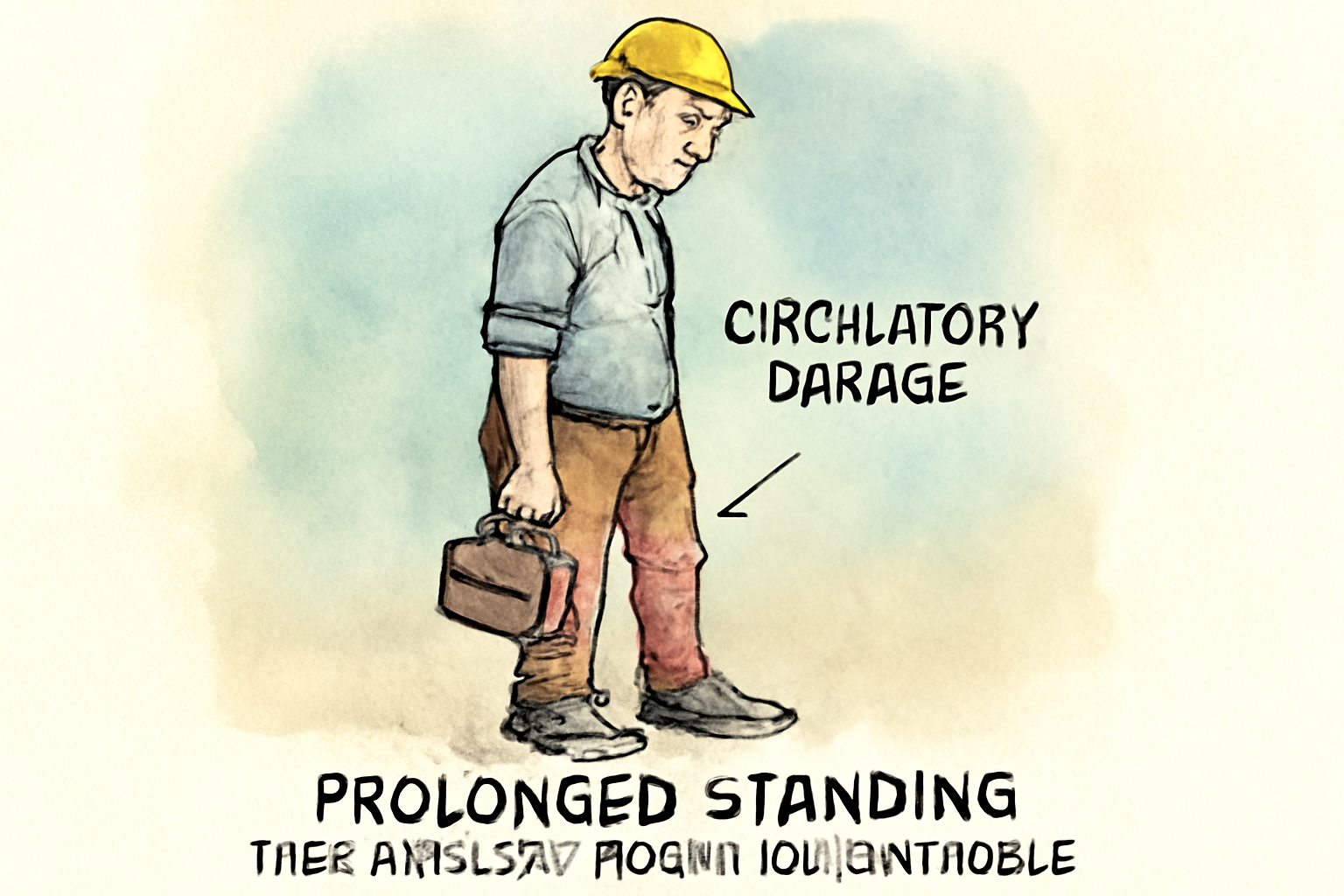
Care workers, particularly those in clinical, residential, or home care settings, confront numerous physical challenges due to the nature of their roles. Extended periods of standing—often exceeding twelve-hour shifts—are commonplace, contributing to various health issues, notably varicose veins and swollen feet.
Varicose veins are engorged, twisted veins primarily resulting from prolonged standing. Blood pools in the legs due to inadequate venous return, leading to increased pressure which causes veins to bulge. This condition is not only a cosmetic concern but also a potential source of pain and discomfort, potentially progressing to more severe complications such as venous ulcers or thrombophlebitis if untreated.
Swollen feet stem from similar circulatory issues. When standing for extended durations, fluid accumulates in the lower extremities due to gravity and prolonged muscle inactivity, resulting in edema. This swelling can lead to pain, decreased range of motion, and increased fatigue, further complicating the demanding physical requirements of care work.
To mitigate these health issues, care workers are advised to incorporate specific strategies. Proper footwear with adequate support and cushioning can help reduce strain on the lower limbs. Implementing regular breaks and encouraging movement or leg elevation during non-peak hours can facilitate better circulation. Compression stockings are another effective measure, as they support the veins and promote blood flow back to the heart.
Care organizations must recognize these occupational hazards and provide supportive infrastructure and policies, such as ergonomically designed workspaces and flexible shift patterns, to enhance the health and well-being of care workers. Addressing such issues is critical not just for the individual workers but also for maintaining high-quality care provision.