
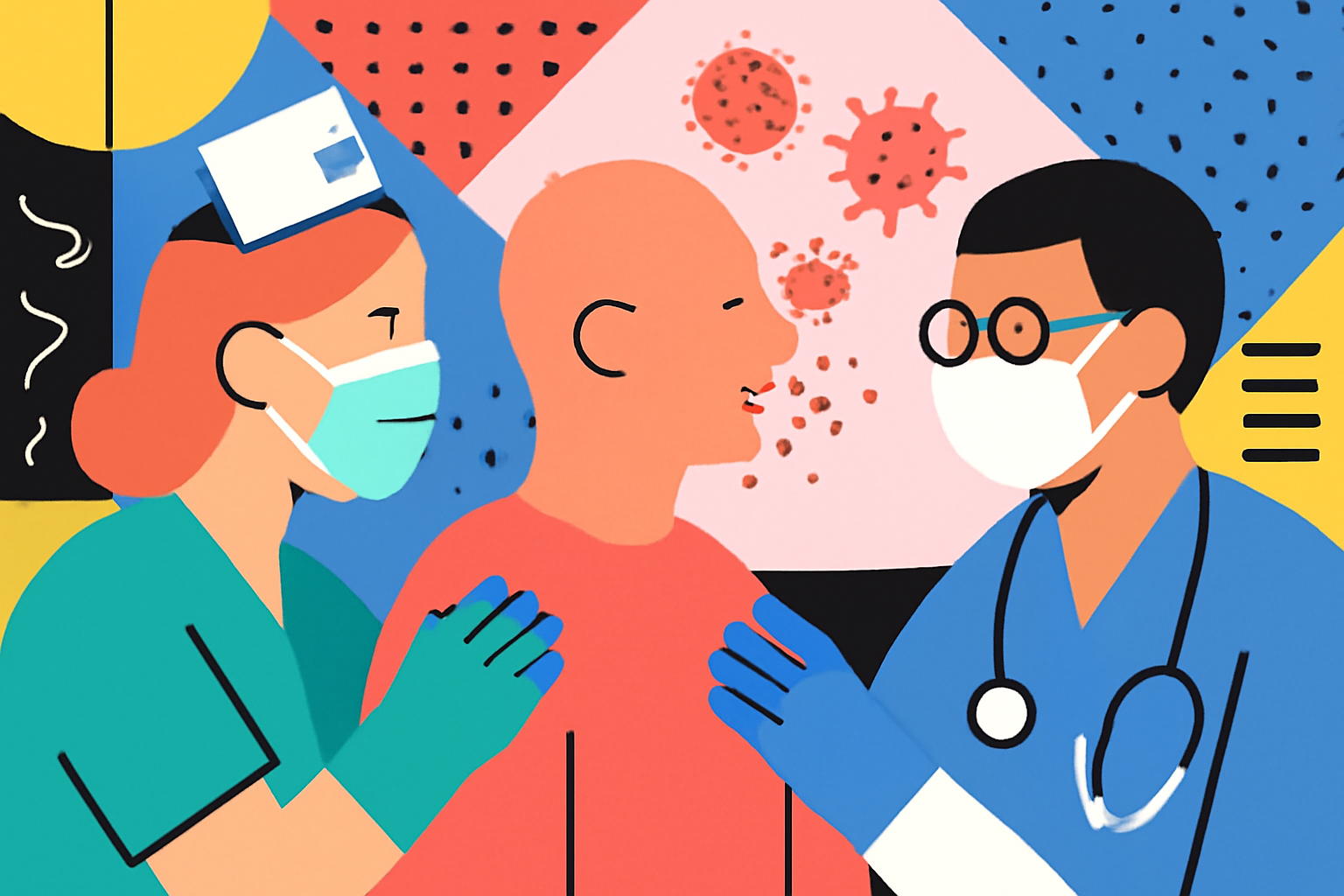
Care workers frequently encounter high-risk situations due to their intimate and prolonged contact with vulnerable populations. This close interaction often leads to increased exposure to infectious diseases, constituting a significant occupational hazard. The inherent nature of their work environment—typically involving hospitals, nursing homes, or in-home settings—presents unique challenges.
Firstly, the close quarters and communal settings prevalent in these environments serve as fertile ground for the transmission of airborne and contact diseases. Influenza, tuberculosis, and various respiratory viruses are routinely present risks. These diseases can easily spread among care workers who often work in close proximity to those they serve, as well as to each other, thereby amplifying the risk of outbreaks within the facility.
Secondly, care workers frequently deal with unpredictable work schedules and extended hours. This often leads to chronic fatigue, impacting their immune system's ability to ward off infections effectively. The physical and emotional demands of care work can exacerbate this situation, leaving workers vulnerable to illness.
Additionally, care workers may not always have immediate access to personal protective equipment (PPE) or infection control resources, especially during widespread health crises. This lack of adequate protection compounds the risk of contracting illnesses. Training in proper use of PPE and adherence to infection prevention protocols are critical components in mitigating these risks.
The emotional toll of working in such high-risk settings cannot be understated. Constant exposure to illness and the potential for infecting family members creates significant stress and anxiety among workers. This aspect of their job can lead to burnout, further reducing their efficacy and increasing susceptibility to disease due to a compromised immune system due to stress.
Effective solutions require systemic changes including improved staffing levels to reduce workload, ensuring ample supply of PPE, providing access to mental health resources, and enforcing rigorous infection control measures. Investment in care worker health and safety is not only crucial for the well-being of these workers but is also essential in maintaining public health safety standards and ensuring quality care for vulnerable populations.