
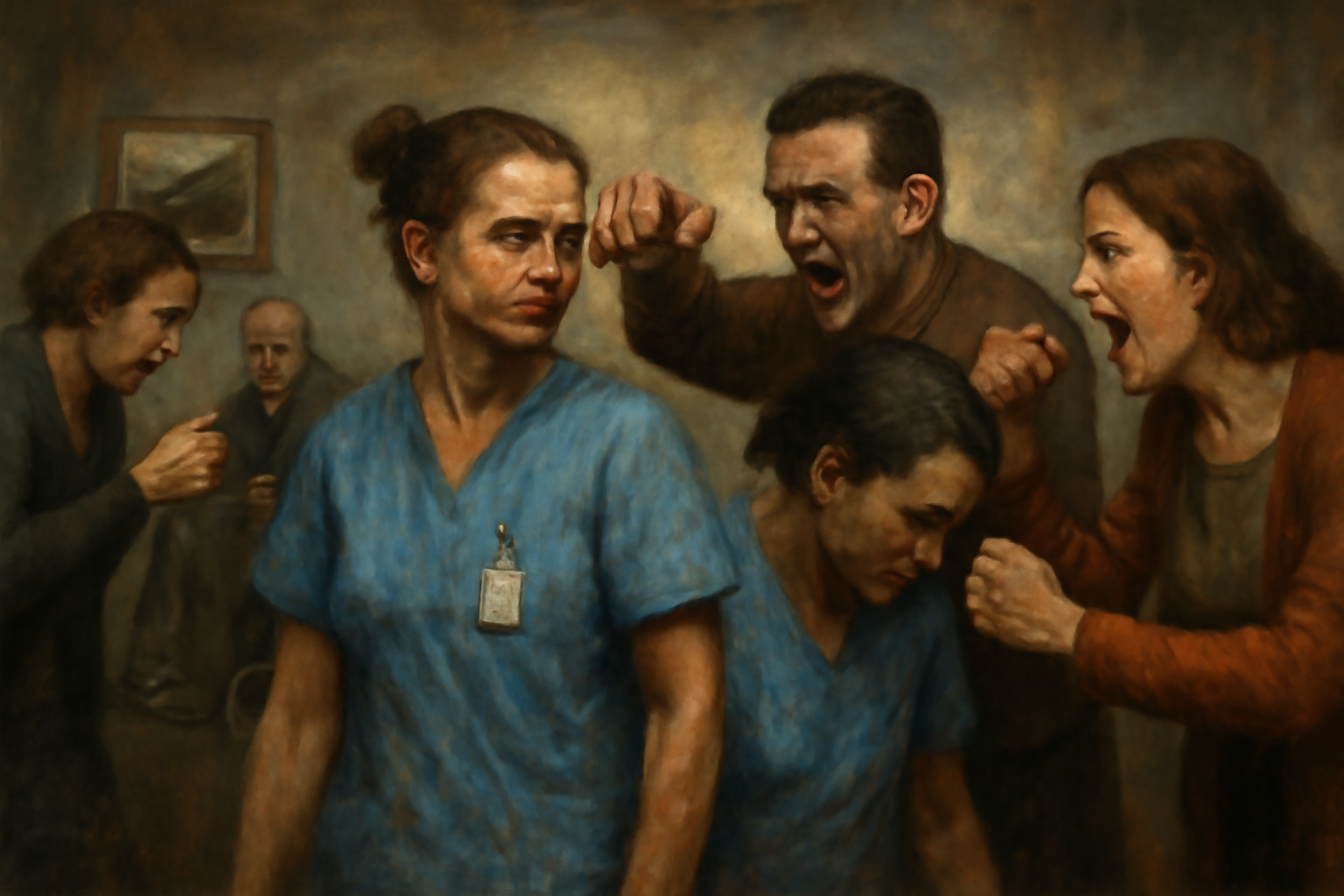
Care work inherently involves navigating emotionally charged environments, particularly when families react with anger over situations care workers did not create. Understanding the multifaceted challenges in these circumstances is crucial for maintaining professionalism and delivering quality care.
Care workers often serve as the primary liaison between healthcare facilities and families. This position can expose them to frustrations that stem from systemic issues beyond their control, such as policy limitations, resource constraints, or institutional procedures. Families may express anger over long waiting times, lack of specific medical interventions, or perceived gaps in communication, often directed at care workers who are merely enacting prescribed roles and protocols.
Effective communication is a central strategy in managing and de-escalating tensions. Care workers are trained to use empathetic listening, which involves acknowledging the family's emotions and concerns without personalizing the blame. By affirming the family's feelings and providing clear, factual information, care workers can help alleviate some of the frustration families feel.
Another challenge lies in maintaining professional boundaries while being compassionate. Care workers must balance emotional engagement with professional detachment to prevent burnout. This involves understanding and asserting their professional limits and knowing when to refer families to supervisors or other resources equipped to address systemic issues.
The provision of consistent and accurate information is vital. Families often need reassurance and clarity about the care processes, which can mitigate misunderstandings and reduce anger. Care workers play a crucial role in this, operating as conduits of information and support.
Emotional support and professional development for care workers are also essential. Institutions should ensure care workers have access to counseling, stress management resources, and opportunities for skill development in conflict resolution and communication strategies. Organizational support can enhance workers’ resilience, enabling them to handle challenging interactions with families more effectively.
Ultimately, addressing the anger of families requires a systemic approach that includes improving communication processes, institutional support mechanisms, and continuous professional training for care workers. Such measures help ensure the well-being of both the care workers and those they serve, promoting a more harmonious and effective care environment.