
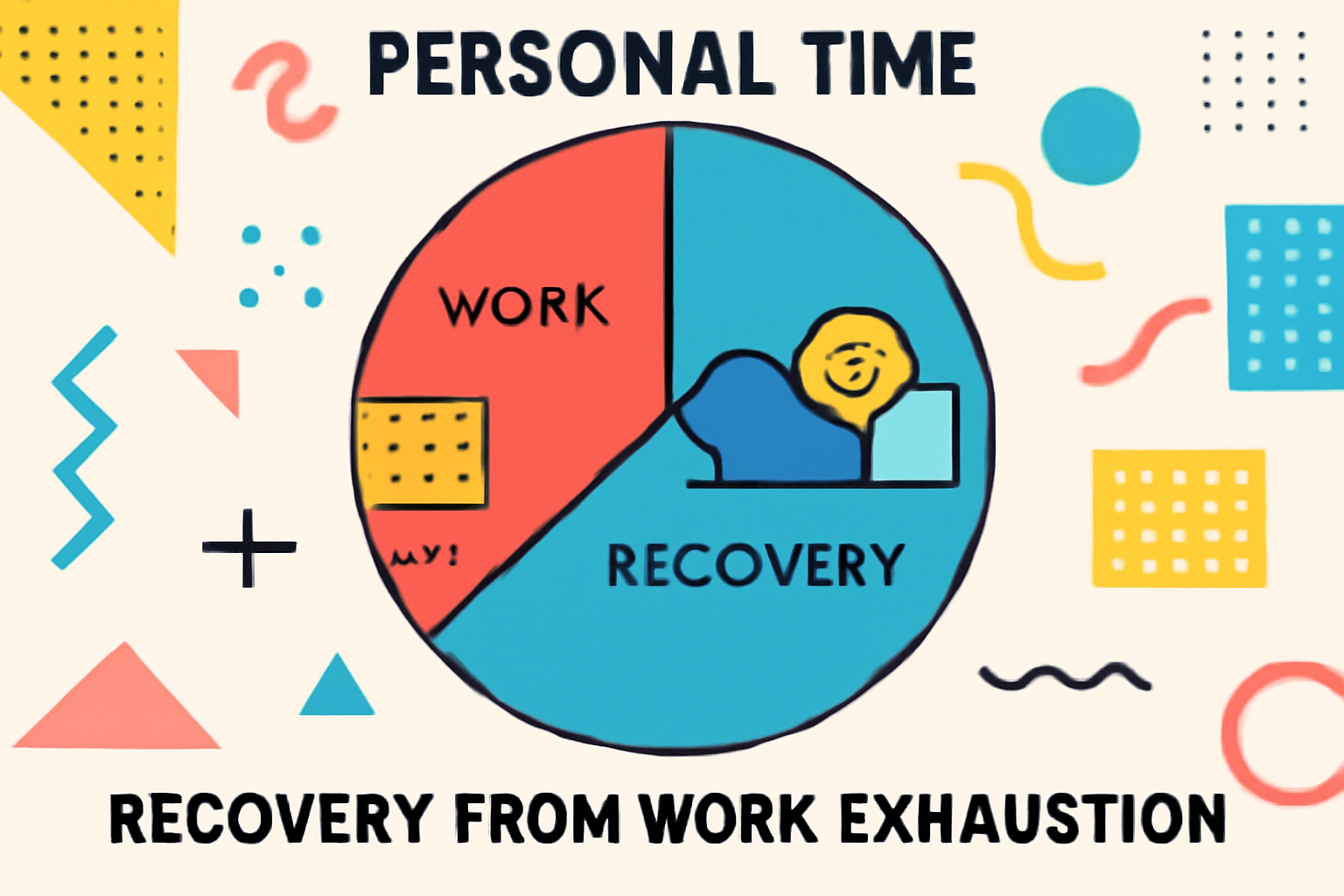
Care workers across diverse settings, from nursing homes to home care, face a myriad of challenges that impact their physical, mental, and emotional well-being. A primary issue contributing to profound exhaustion is the demanding nature of their work, which often involves long hours, irregular shifts, and the necessity to be constantly attentive to the needs of those in their care. The physical demands can be intense, with care workers frequently required to assist individuals with mobility, perform various household tasks, and respond quickly to emergencies.
This workload can lead to chronic fatigue, where day-to-day recovery becomes inadequate. The situation is compounded by emotional labor, as care workers must consistently display empathy and patience, even in the face of challenging behaviors. This emotional strain is often exacerbated by a lack of adequate support and resources, leading to feelings of burnout.
In many cases, care workers find themselves working multiple jobs to make ends meet, further limiting their ability to rest and engage in personal activities. The compensation in many care-related roles does not reflect the intensity and importance of the work, leaving workers economically strained and socially isolated, as they have little time or energy left for social interactions or leisure activities.
Access to mental health support remains limited for many care workers. Organizations need to prioritize the well-being of their staff by offering supportive resources such as counseling, adequate rest periods, and a fair system of shifts that allows for more predictable time off. There is also a pressing need for improved labor conditions, including competitive wages and health benefits, which are essential for reducing financial pressures that contribute to exhaustion.
The well-being of care workers directly impacts the quality of care provided, emphasizing the need for systemic reforms to address these issues and ultimately improve the lives of both care workers and those they serve.