
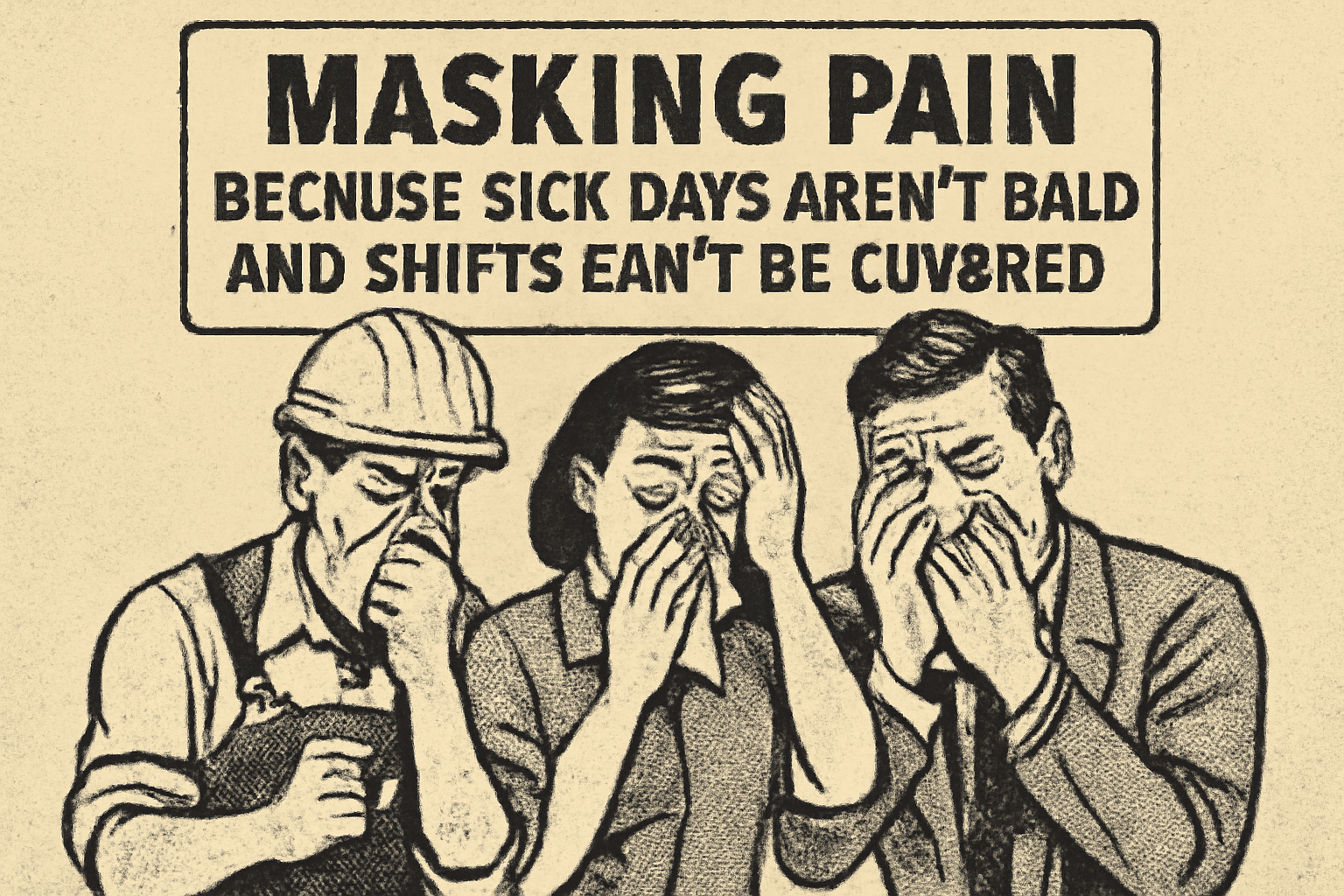
Care workers across various settings face significant challenges, often exacerbated by socio-economic pressures. One of the pressing issues is working through injuries due to the financial necessity of maintaining their income. Many care workers rely on over-the-counter pain medications like ibuprofen to manage pain during shifts.
The nature of care work itself presents a high risk of physical injury. Tasks such as lifting patients, performing repetitive motions, and engaging in prolonged periods of standing or moving are inherently strenuous. The physically demanding environment often leads to musculoskeletal injuries and chronic pain conditions.
Despite the professional commitment to their roles, many care workers earn hourly wages with little to no paid sick leave benefits. This financial model places care workers in a precarious position where missing work due to injury or illness could jeopardize their ability to meet basic living expenses.
The healthcare industry is critically reliant on care workers, yet the support systems in place often fall short of protecting their health and well-being. The financial and physical strains effectively discourage employees from taking necessary sick leave or injury recovery time. Thus, workers face a dilemma between self-care and financial stability.
Addressing these issues requires systemic changes, including advocating for comprehensive occupational health and safety standards, reasonable work hours, access to healthcare benefits, and more robust sick leave policies. Enhancing these support structures can help mitigate the risks associated with working injured and contribute to the well-being and sustainability of the care workforce.